Tripoli's Tumult: UN Demands Action Amid Rising Violence
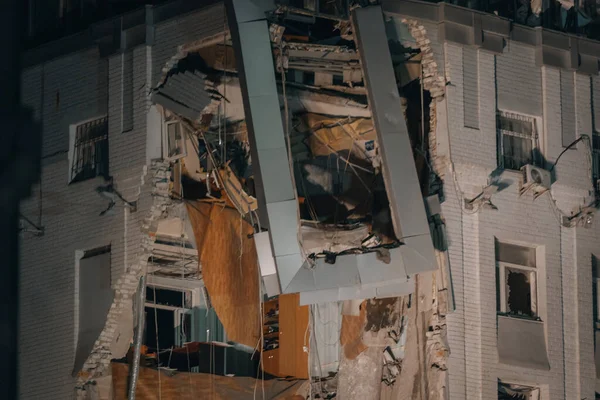
On Monday, the United Nations mission in Libya (UNSMIL) urgently called for an immediate ceasefire after fighting broke out in Tripoli, Libya’s capital. The situation has become increasingly dire, with armed groups engaging in intense clashes in heavily populated civilian areas.
In a statement posted on X, UNSMIL expressed deep concern over the escalating violence, particularly in areas where civilians are at risk. The mission stressed that all parties must cease hostilities and restore calm to avoid further harm to the population.
UNSMIL highlighted the importance of protecting civilians and reminded all parties of their legal obligations under international humanitarian law. The mission emphasized the need for immediate action to prevent further casualties and destruction in the conflict.
The United Nations also issued a stern warning that attacks on civilians and civilian property could amount to war crimes. This serves as a powerful reminder of the potential legal ramifications for any group involved in such acts of violence.
Reports from Tripoli revealed that gunfire could be heard throughout the city, coinciding with the death of Abdulghani Kikli, a key figure in the Support Force Apparatus (SSA). The SSA is one of Tripoli’s most influential armed groups, with significant political and military sway in the region.
Kikli’s death has intensified the conflict, given the SSA’s strong ties to the state-backed Presidential Council. The loss of such a prominent figure is likely to have a substantial impact on the military and political dynamics within Tripoli.
Since the overthrow of Moammar Gaddafi in 2011, Libya has struggled with ongoing political instability. The country remains fractured, with multiple factions competing for control over key regions, including Tripoli and Benghazi.
While a ceasefire in 2020 brought temporary relief, Libya’s political landscape remains divided. The GNU governs Tripoli and the northwest, while the east is controlled by the Government of National Stability. This division has perpetuated a cycle of violence and conflict.
Libya’s vast oil and gas resources have become a central point of contention, with armed groups vying for control over these valuable assets. This competition for power has fueled ongoing clashes, further destabilizing the already fragile nation.
In response to the escalating violence, the GNU’s health ministry instructed hospitals and medical centers to prepare for an influx of casualties. The fighting has already resulted in numerous injuries, and the medical infrastructure is being stretched to its limits.
Meanwhile, the GNU’s interior ministry urged citizens to stay indoors to protect themselves from the violence. As clashes continue, this call for safety underscores the growing threat to civilians in Tripoli and the broader region.
In addition to the internal conflict, the Trump administration’s plans to deport migrants to Libya have sparked concerns. With the country already in crisis, many fear that deporting migrants to such an unstable environment will exacerbate the situation and put more lives at risk.
What's Your Reaction?