Declining Public Support Challenges Trump’s Second-Term Momentum

President Donald Trump is facing a gradual but consistent decline in approval ratings following his return to the White House in January 2026, according to multiple national surveys and recent political analyses. The data suggests that public confidence has weakened as concerns grow over key national issues.
At the beginning of his second term, Trump’s approval ratings were already showing signs of vulnerability, generally staying within the low-to-mid 40 percent range. While his core political base remained largely supportive, broader segments of the electorate expressed mixed feelings about his leadership approach and policy direction.
As the weeks progressed into February, polling data revealed a continued slide in approval, largely driven by economic anxieties. Many Americans reported increasing concern over inflation and the rising cost of living, which have become dominant issues influencing voter sentiment across different demographic groups.
By early March, several surveys indicated that Trump’s approval rating had declined further, in some cases reaching the high 30 percent range. This trend reflects a growing sense of dissatisfaction among voters, particularly as economic relief has not materialized as quickly as many had hoped.
Economic pressures remain one of the most significant factors affecting the president’s standing with the public. Higher fuel costs, increased prices for everyday necessities, and uncertainty about long-term economic stability have led to heightened criticism of the administration’s policies.
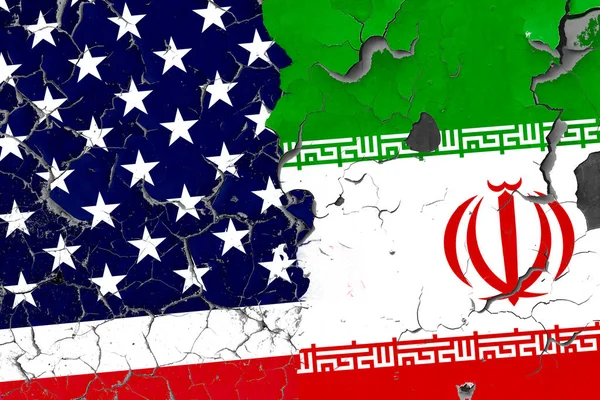
Foreign policy developments have also contributed to shifting public opinion. Ongoing tensions involving Iran and the possibility of deeper U.S. involvement in regional conflicts have raised concerns among Americans about national security and international stability.
Domestically, immigration enforcement continues to spark debate and division among voters. Some citizens support stricter border control measures, while others argue that current policies may be too harsh or fail to address humanitarian considerations effectively.
Despite the overall decline in approval ratings, Trump continues to command strong loyalty from Republican voters, highlighting the deep political polarization within the United States. This divide underscores the challenge of building broader consensus across party lines.
Looking ahead, political observers warn that if approval ratings continue to fall, it could have meaningful implications for upcoming elections. Maintaining support among independent voters may prove critical as the administration seeks to stabilize its standing and regain broader public confidence.
We are raising donations to help families affected by crisis. Your support will provide food, medical supplies, and emergency relief.
Donate via PayPal: paypal.me
Thank you for your support.
What's Your Reaction?