From Playrooms to Price Wars: Tariffs Trigger Toy Inflation
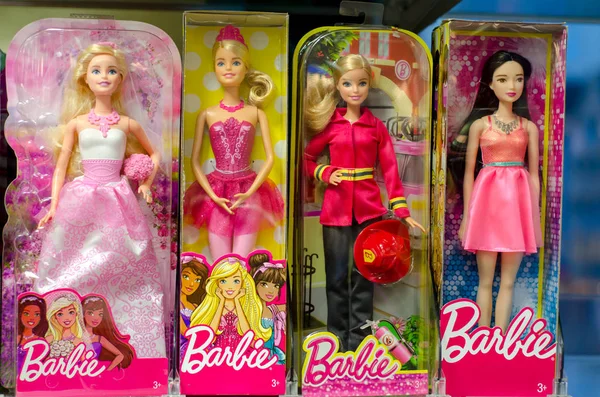
For Barbie fans across the U.S., playtime just got more expensive. In light of President Donald Trump’s recent tariff actions, American shoppers are beginning to notice significant increases in prices on everyday goods — from children’s toys to kitchen appliances and beyond.
The Telsey Advisory Group’s latest report outlines a rise in the cost of multiple consumer items following Trump’s announcement of broad tariffs on April 2. The increases are affecting a wide range of products — including dolls, leggings, drills, and even designer handbags — showcasing the broader impact on retail.
Between April 16 and April 30, the cost of a Barbie doll sold exclusively at Target surged by 43%, jumping from $10.49 to $14.99. The steep increase occurred within a mere two weeks and has stirred concern about how tariffs could influence future pricing across the board.
Other products saw similar spikes. A Whirlpool washing machine at Lowe’s climbed by nearly $82, now priced at $599. Target’s Girl’s Cat and Jack leggings rose to $6 from $4.50, while a Dewalt drill sold at Tractor Supply increased by $20, peaking at $179 before eventually going on sale.
Luxury shoppers weren’t exempt from the changes either. A Louis Vuitton Neverfull medium tote is now $2,130 — up $100 from mid-April. The inclusion of such high-end goods in the report underlines how the pricing shifts have spanned across market segments, not just affecting budget-conscious consumers.
Telsey, however, cautioned readers not to consider their findings as definitive proof that tariffs caused the hikes. The report looked at only one or two items from each company and didn’t factor in special deals, limited-time discounts, or internal pricing strategies that might have influenced the figures.
Some products reviewed by Telsey didn’t increase in price at all, and a few even got cheaper. But the analysts warned that, based on current trends, higher costs are likely to reach more consumers soon. Retailers will probably pass those added costs on rather than bear the burden themselves.
Many brands are acting fast to cushion the impact. Telsey noted that supply chain strategies are being revisited urgently, with companies aiming to make smart, long-term changes in anticipation of further complications from tariff implementation and potential political uncertainty.
Despite the administration’s push for American-made goods, few companies seem eager to move production back to the U.S. Mattel CEO Ynon Kreiz stressed that while U.S. teams handle product development and branding, overseas manufacturing keeps prices accessible. Trump’s threat of a 100% tariff on firms relocating production hasn’t changed this business reality — yet.
What's Your Reaction?