Escalating Middle East Conflict and Global Disruptions Lead Today’s Most Discussed World News
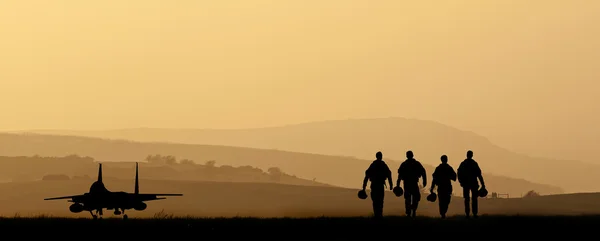
The most widely discussed global news today focuses on rising geopolitical tensions in the Middle East, which have significantly influenced international politics, global markets, and transportation networks. Reports from major international media indicate that military activities and diplomatic warnings continue to escalate, raising concerns about wider regional instability.
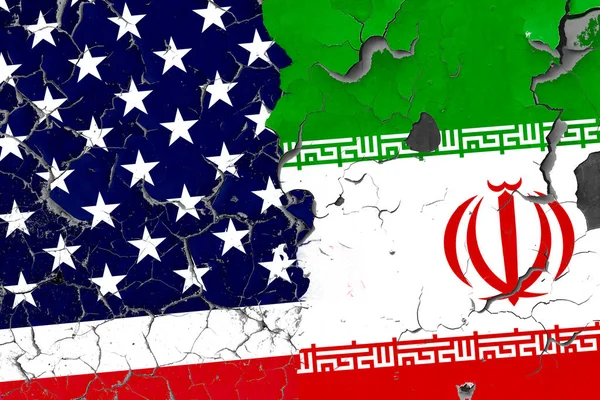
One of the central developments involves increased military actions connected to the ongoing tensions between Iran, Israel, and the United States. Analysts suggest that the situation has entered a critical phase as strategic facilities and military targets are being closely monitored by international observers and global security organizations.
According to international coverage, strikes targeting energy infrastructure have intensified concerns about the stability of oil supplies from the region. The Middle East remains one of the most important sources of global energy, and any disruption can rapidly influence prices and supply chains worldwide.
The strategic importance of the Strait of Hormuz has once again become a major topic of discussion among economic analysts and policy experts. A significant portion of the world’s oil shipments pass through this narrow waterway, meaning that any disruption could immediately affect international fuel markets.
Global energy markets have already shown signs of volatility due to uncertainty surrounding the conflict. Traders and economists are closely watching developments, as prolonged instability could increase fuel prices and potentially create inflationary pressure in many countries around the world.
The conflict has also begun affecting international aviation routes. Several airlines have adjusted their flight paths or temporarily canceled certain flights to avoid airspace considered potentially unsafe, particularly across parts of the Middle East and neighboring regions.
Beyond the geopolitical situation, extreme weather has also captured global attention this week. Severe rainfall and flooding in parts of Australia have forced evacuations and emergency responses, highlighting the increasing frequency of climate-related natural disasters across different continents.
Scientists and environmental experts warn that such extreme weather events may become more frequent due to ongoing climate change. Governments are therefore under growing pressure to improve disaster preparedness, infrastructure resilience, and environmental protection policies.
In conclusion, today’s global news landscape reflects a world facing multiple interconnected challenges, including geopolitical conflicts, environmental risks, and economic uncertainty. Despite these difficulties, international cooperation and diplomatic dialogue remain essential tools for maintaining global stability and protecting future generations.
What's Your Reaction?